


Journal Description
European Burn Journal
(formerly European Journal of Burn Care) is an international, peer-reviewed, open access journal on burn care and burn prevention, published quarterly online. It is the official journal of the European Burns Association (EBA).
- Open Access— free for readers, with article processing charges (APC) paid by authors or their institutions.
- High Visibility: indexed within ESCI (Web of Science), PMC, PubMed, Scopus and other databases.
- Journal Rank: CiteScore - Q2 (Health Professions (miscellaneous))
- Rapid Publication: manuscripts are peer-reviewed and a first decision is provided to authors approximately 20.7 days after submission; acceptance to publication is undertaken in 4.6 days (median values for papers published in this journal in the second half of 2025).
- Recognition of Reviewers: APC discount vouchers, optional signed peer review, and reviewer names published annually in the journal.
- Companion journal: Healthcare.
Impact Factor:
1.2 (2024);
5-Year Impact Factor:
1.3 (2024)
Latest Articles
How Patients Seek and Value Online Scar-Related Information: A Qualitative Study
Eur. Burn J. 2026, 7(1), 9; https://doi.org/10.3390/ebj7010009 - 6 Feb 2026
Abstract
Background: Pathological scarring (PS) following surgical procedures, burns, or trauma poses significant clinical, psychological, and socio-economic challenges. Despite the high prevalence of PS, reliable information resources are limited, often leading individuals to depend on unvalidated online sources. To address this gap, we developed
[...] Read more.
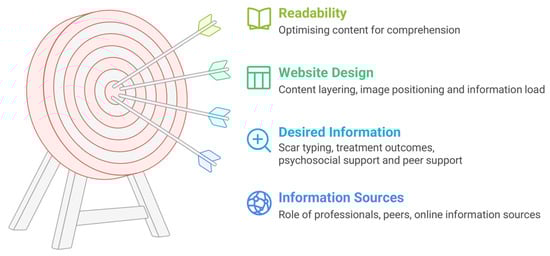
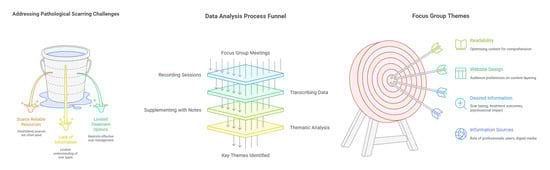
Background: Pathological scarring (PS) following surgical procedures, burns, or trauma poses significant clinical, psychological, and socio-economic challenges. Despite the high prevalence of PS, reliable information resources are limited, often leading individuals to depend on unvalidated online sources. To address this gap, we developed MyScarSpecialist.com, an evidence-based website providing comprehensive information on scar types, characteristics, and treatment options. This study aimed to optimize the website through co-creation with patients and clinicians. Methods: Semi-structured focus group meetings were conducted with patients and carers; sessions were recorded, transcribed, and analyzed using thematic analysis. Results: From the 3 focus group meetings with 15 patients with scars and 3 carers, four key themes emerged: (1) Information Sources: The Role of Professionals, Peers, and Digital Media in information sharing; (2) Desired information: From scar typing to treatment outcomes to psychosocial impact; (3) Website design: Audience preferences on content layering, information load, and image positioning; (4) Readability: Optimizing content for comprehension. Participants highlighted the need for enhanced peer support and resources addressing the psychological impact of scarring. Conclusions: These findings provide comprehensive insights for optimizing medical educational websites, ensuring inclusivity, accessibility, and empowerment for patients through co-designed strategies.
Full article
(This article belongs to the Special Issue 2nd Edition of Enhancing Psychosocial Burn Care)
►
Show Figures
Open AccessArticle
Oxygen-Enriched Olive-Oil Dressing in Moderate-Degree Pediatric Burns: Impact on Care and Budget over a 4-Year Period in a Tertiary Children’s Hospital
by
Silvia Borghetti, Ugo Maria Pierucci, Chiara Palladino, Stefania Vimercati, Francesca Selmin, Andrea Marcellusi, Giulia Tosi, Alessia Musitelli, Elena Zoia, Irene Paraboschi and Gloria Pelizzo
Eur. Burn J. 2026, 7(1), 8; https://doi.org/10.3390/ebj7010008 - 5 Feb 2026
Abstract
Background: Pediatric burns cause considerable morbidity and hospital resource use. Advanced dressings on moderate-degree pediatric burns that accelerate healing may offset acquisition costs by shortening length of stay (LOS). Objective: The aim of this study was to assess the budget impact of introducing
[...] Read more.
Background: Pediatric burns cause considerable morbidity and hospital resource use. Advanced dressings on moderate-degree pediatric burns that accelerate healing may offset acquisition costs by shortening length of stay (LOS). Objective: The aim of this study was to assess the budget impact of introducing an oxygen-enriched olive-oil dressing for pediatric burns (grade I–IIG; total body surface area <20%) at a tertiary children’s hospital. Methods: A hospital-perspective budget impact analysis was conducted according to ISPOR guidance over a 4-year horizon (2022–2025). The study population included 32 inpatients (<18 years) with non-extensive, moderate-degree burns treated between 2022 and 2023. Two scenarios were modeled: (i) standard of care (SoC) and (ii) SoC plus the oxygen-enriched olive-oil dressing (OEoD), with annual caseload projections to 2025. Costs combined treatment (dressings, drugs, and devices) and hospitalization data provided by the hospital’s Control & Management Unit. The average daily hospitalization cost was €1438.99. Results: Compared with SoC, the OEoD scenario increased per-patient dressing costs (mean €271.4 vs. €121.9) but reduced LOS (mean 7.3 vs. 16.6 days), leading to lower overall hospitalization expenditure. Total annual costs decreased by 7%, 13%, 16%, and 18% across 2022–2025, respectively (for example, 2025: €612,516 vs. €751,445; Δ −€138,929). Cumulative 4-year savings reached €337,399. Deterministic sensitivity analysis confirmed the robustness of these findings, with savings persisting under variable assumptions. Conclusions: Despite higher acquisition costs, oxygen-enriched olive-oil dressings were associated with shorter LOS and meaningful budget savings in pediatric burn care. These results support their integration into multidisciplinary burn management pathways and call for further prospective multicenter validation.
Full article
Open AccessArticle
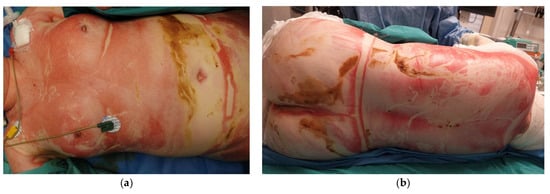
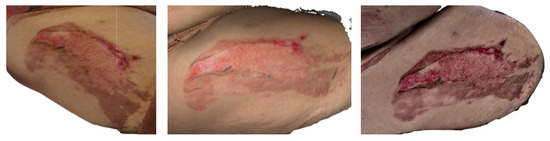
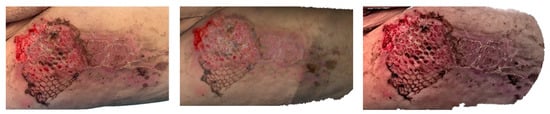
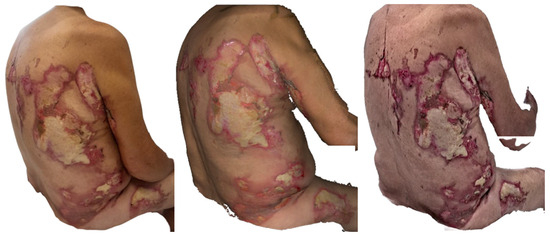
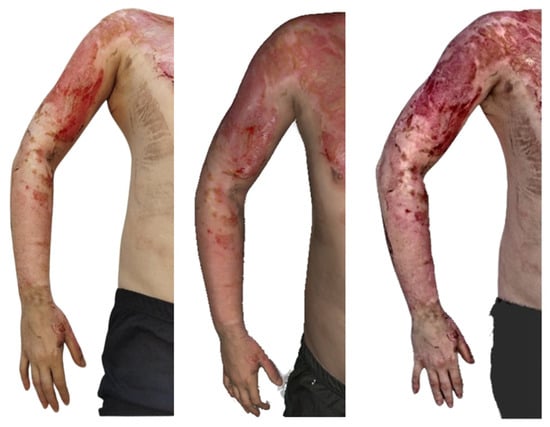
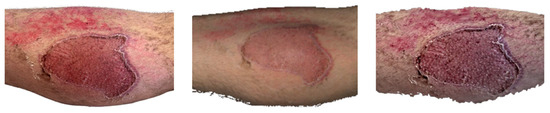
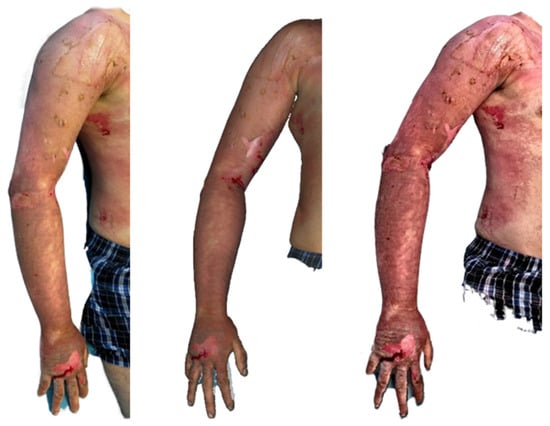
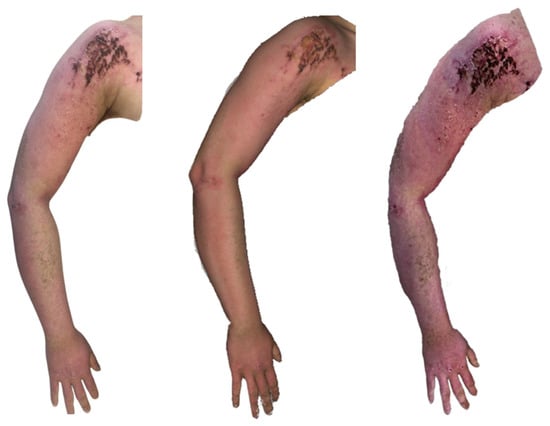
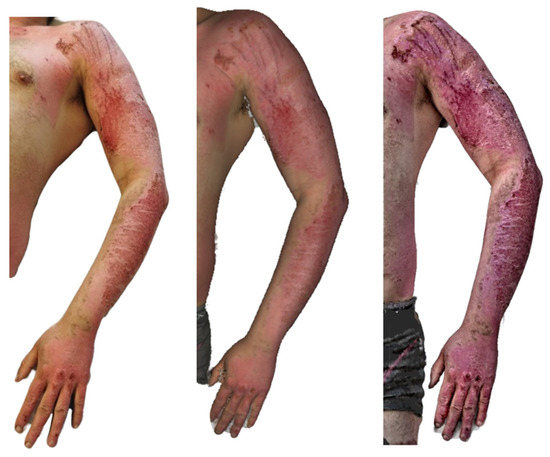
Three-Dimensional Visualisation of Burn Wounds: Concordance of Artec Eva and Revopoint Miraco with Clinical Photography—A Case Series
by
Katarína Dudová, Bibiána Ondrejová, Tomáš Demčák, Monika Michalíková, Lucia Bednarčíková, Jozef Živčák, Peter Lengyel and Erik Eliáš
Eur. Burn J. 2026, 7(1), 7; https://doi.org/10.3390/ebj7010007 - 28 Jan 2026
Abstract
►▼
Show Figures
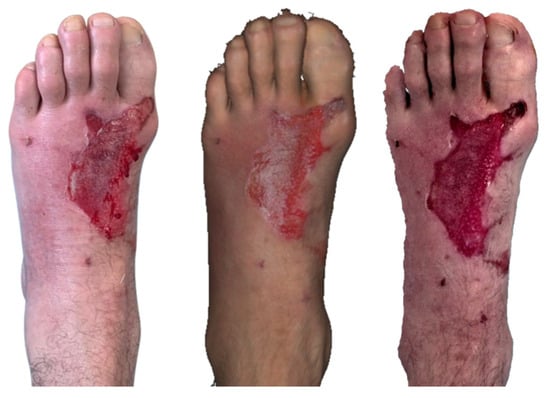
Accurate documentation of burn wounds is essential for evaluating treatment outcomes and monitoring healing progression. Traditional two-dimensional (2D) photography remains the clinical standard but lacks depth and volumetric accuracy. Three-dimensional (3D) scanning offers enhanced visualization of wound morphology and tissue vitality, potentially improving
[...] Read more.
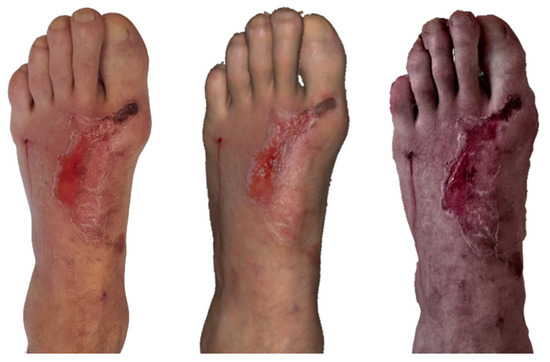
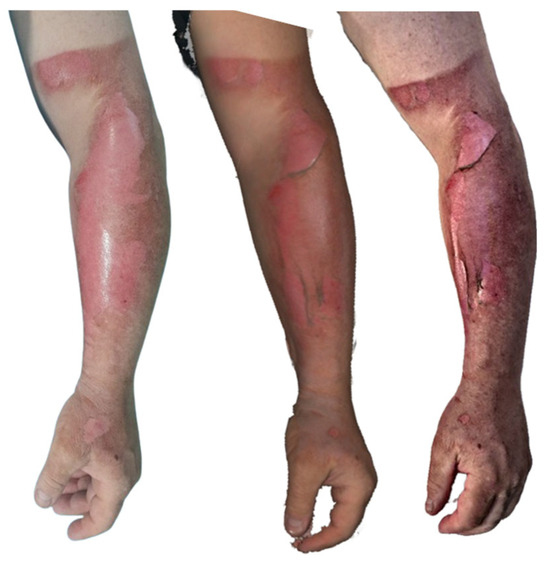
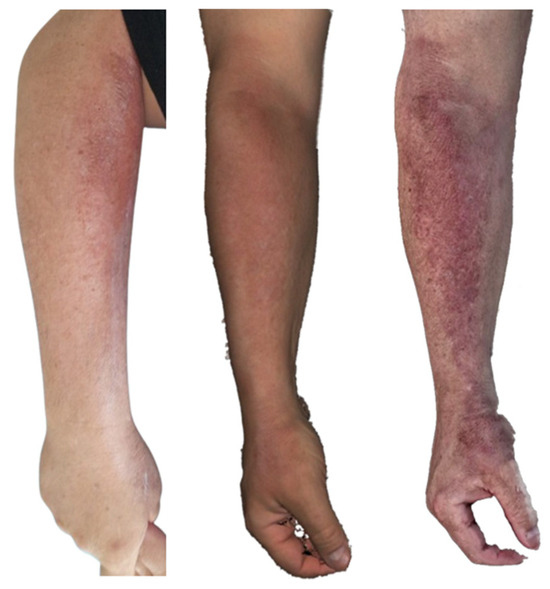
Accurate documentation of burn wounds is essential for evaluating treatment outcomes and monitoring healing progression. Traditional two-dimensional (2D) photography remains the clinical standard but lacks depth and volumetric accuracy. Three-dimensional (3D) scanning offers enhanced visualization of wound morphology and tissue vitality, potentially improving objectivity in burn assessment. This study compares two handheld 3D scanning systems—Artec Eva and Revopoint Miraco—in documenting acute and healing burn wounds, using standard clinical photography as the reference. Fifteen patients with second-degree and third-degree burns were prospectively examined at the Burn Unit of AGEL Hospital Košice-Šaca, with five representative cases selected for detailed analysis. For each patient, clinical photographs and paired 3D scans were obtained under standardized conditions and evaluated for color fidelity, wound margin clarity, representation of epithelialisation islands, necrotic tissue, and correlation with clinical findings. Across all cases, Artec Eva demonstrated superior color accuracy, clearer wound delineation, and more realistic visualization of tissue vitality and re-epithelialisation. Revopoint Miraco reliably captured wound shape but produced darker tones and exaggerated surface relief, occasionally distorting depth perception. Overall, both systems successfully identified key healing features; however, Artec Eva provided more clinically accurate and visually consistent results. Three-dimensional scanning represents a valuable adjunct to conventional burn documentation.
Full article

Figure 1
Open AccessArticle
Association Between Rehabilitation Frequency and Functional Outcomes After Burn Injury: A Single-Center Retrospective Analysis of Confounding by Indication
by
Yazeed Temraz, Theeb Al Salem, Shaimaa Khan, Raghad Alshehri, Lina Alosaimi, Mariam Hantoul, Rahaf Alrajhi, Rayya Alabdali, Amal Bahumayim, Ibtihal Al Jafin, Fai Al Qazlan and Abdulmajeed Al Ehaideb
Eur. Burn J. 2026, 7(1), 6; https://doi.org/10.3390/ebj7010006 - 19 Jan 2026
Abstract
Objective: To identify key predictors of clinical outcomes in burn survivors and clarify the role of mixed-depth burns and confounding by indication in observational rehabilitation research. Design: Retrospective cohort study using data from a burn rehabilitation registry (January 2024 to July 2025). Setting:
[...] Read more.
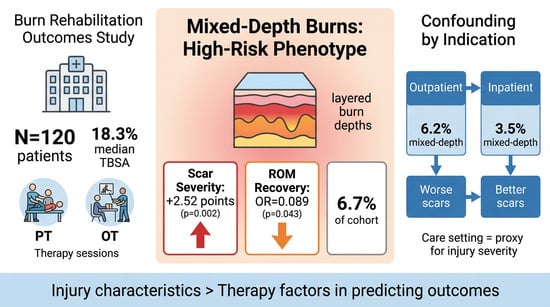
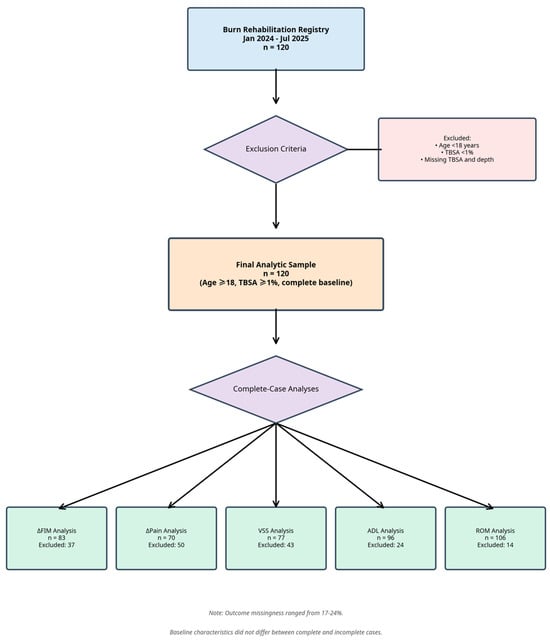
Objective: To identify key predictors of clinical outcomes in burn survivors and clarify the role of mixed-depth burns and confounding by indication in observational rehabilitation research. Design: Retrospective cohort study using data from a burn rehabilitation registry (January 2024 to July 2025). Setting: Burn rehabilitation center. Participants: 120 adult patients (age ≥ 18 years) with burns affecting ≥1% total body surface area (TBSA) and complete baseline data. Interventions: Not applicable. Main Outcome Measures: Primary outcome was functional improvement (ΔFIM). Secondary outcomes included pain reduction (ΔPain), scar severity (Vancouver Scar Scale; VSS), Activities of Daily Living (ADL) improvement, and Range of Motion (ROM) recovery. Multivariable linear and logistic regression models were used to identify predictors. Results: Patients achieved significant improvements in function (mean ΔFIM = 11.3 ± 8.9 points) and pain (mean ΔPain = 1.28 ± 0.81). Having a mixed-depth burn was the strongest predictor of worse scar outcomes (β = 2.52, 95% CI: 0.93 to 4.12, p = 0.002) and failure to achieve full ROM (OR = 0.089, 95% CI: 0.008 to 0.930, p = 0.043). An apparent association between inpatient ward care and better scar outcomes (β = −1.30, p = 0.020) was determined to be an artifact of confounding by indication, as the outpatient group had a higher proportion of high-risk mixed-depth burns (6.2% vs. 3.5%). Longer therapy duration was the only significant predictor of achieving ADL goals (OR = 1.014, 95% CI: 1.002 to 1.026, p = 0.025). Conclusions: Injury characteristics, particularly the presence of a mixed-depth burn, emerged as the dominant predictors of long-term scar and functional outcomes. This study identifies mixed-depth burns as a potentially high-risk clinical phenotype requiring targeted therapeutic strategies and demonstrates the critical importance of accounting for confounding by indication when evaluating rehabilitation outcomes in observational burn research.
Full article
(This article belongs to the Special Issue Global Perspectives on Burn Prevention, Management, Collaboration, and Disparities)
►▼
Show Figures

Graphical abstract
Open AccessArticle
Factors That Impact Psychosocial Recovery 12 Months After Non-Severe Pediatric Burn in Western Australia
by
Amira Allahham, Dinithi Atapattu, Victoria Shoesmith, Fiona M. Wood and Lisa J. Martin
Eur. Burn J. 2026, 7(1), 5; https://doi.org/10.3390/ebj7010005 - 19 Jan 2026
Abstract

Background: A childhood burn presents new and unfamiliar challenges to patients and their parents during recovery. These injuries can negatively impact activities such as independence in self-care, participation in physical activity, and social interaction. As such, pediatric burn patients are at risk
[...] Read more.
Background: A childhood burn presents new and unfamiliar challenges to patients and their parents during recovery. These injuries can negatively impact activities such as independence in self-care, participation in physical activity, and social interaction. As such, pediatric burn patients are at risk of poorer quality of life (QoL) outcomes after their burn. In this longitudinal, observational cohort study, we examined the social, demographic, and clinical factors that were associated with a poor QoL at 12 months postburn for pediatric patients aged > 2 years with non-severe burns in Western Australia. Methods: Inpatients were recruited from the pediatric burn unit at Perth Children’s Hospital in Western Australia between February 2021 and September 2022. Demographic and family information (age, sex, postcode, parental education, languages spoken at home) and clinical data (burn cause, TBSA%, location, surgical interventions, length of stay) were collected at baseline. At 6 and 12 months, caregivers completed the Brisbane Burn Scar Impact Profile (BBSIP). Results: A total of 37 caregivers completed the Brisbane Burn Scar Impact Profile (BBSIP). For the child’s QoL, 57% of caregivers reported that some impact remained for overall QoL, 32% for sensory intensity, 46% for sensitivity, 22% for daily living (22%), and 19% for emotional reactions. Parent worry was impacted in 46% of caregivers. Being female was associated with greater long-term impacts, particularly in overall functioning and parental worry. The burn location also influenced outcomes, with injuries to the upper limbs linked to higher sensory intensity and emotional impact. Children from culturally and linguistically diverse (CaLD) backgrounds, indicated by those speaking a language other than English at home (LOTE), demonstrated significantly greater effects across several domains, including overall impact, daily living, appearance, and parent worry. Conclusions: A substantial proportion of children continued to experience impacts from non-severe burns across multiple domains, indicating that even small-area burns can have lasting effects. The factors associated with worse scores were the child being female, the families being linguistically diverse, and upper body burns.
Full article
(This article belongs to the Special Issue 2nd Edition of Enhancing Psychosocial Burn Care)
Open AccessReview
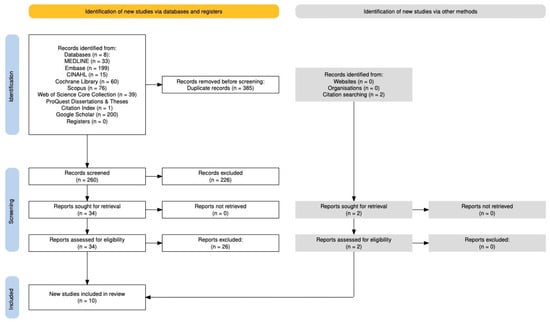
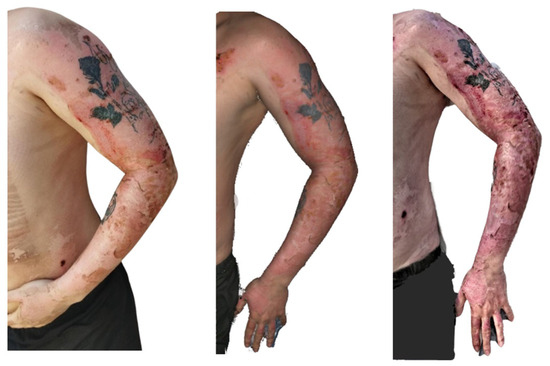
Use of Artificial Intelligence in Burn Assessment: A Scoping Review with a Large Language Model-Generated Decision Tree
by
Sebastian Holm, Fredrik Huss, Bahaman Nayyer and Johann Zdolsek
Eur. Burn J. 2026, 7(1), 4; https://doi.org/10.3390/ebj7010004 - 4 Jan 2026
Abstract
Background: Burns cause about 180,000 deaths annually and lead to substantial morbidity, especially in low- and middle-income countries. Clinical assessment of burn depth and TBSA relies on visual and bedside examination and remains subjective. Convolutional neural networks (CNNs) have been proposed to improve
[...] Read more.
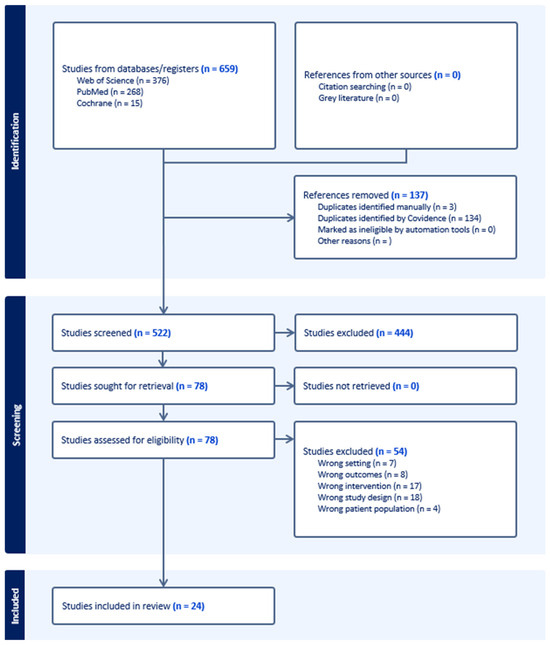
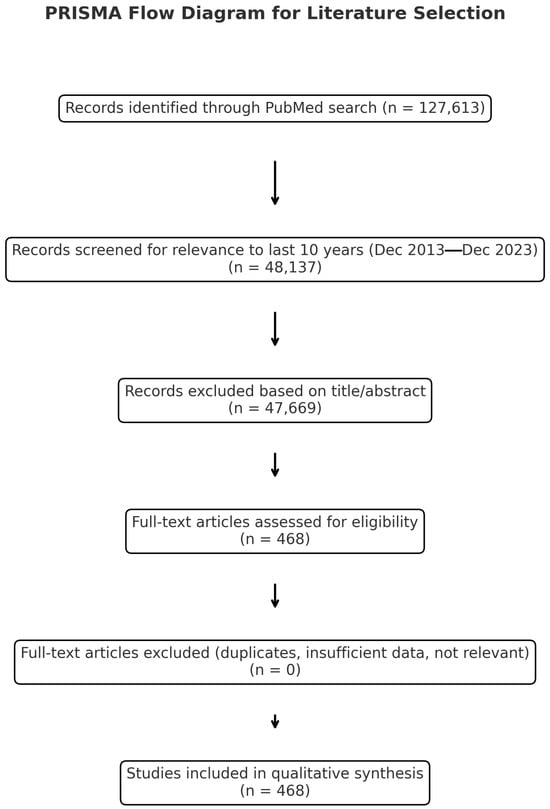
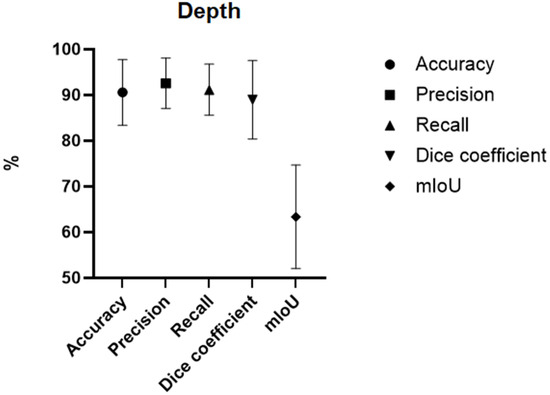
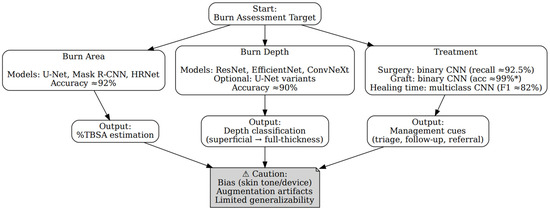
Background: Burns cause about 180,000 deaths annually and lead to substantial morbidity, especially in low- and middle-income countries. Clinical assessment of burn depth and TBSA relies on visual and bedside examination and remains subjective. Convolutional neural networks (CNNs) have been proposed to improve objectivity in image-based burn assessment, but clinical generalizability and acceptance remain uncertain. Aims: To map current evidence on CNN performance for burn TBSA, burn depth and treatment-related tasks and to explore whether a large language model (LLM) can organize extracted findings into a transparent, literature-derived orientation decision tree. Methods: We performed a scoping review following PRISMA-ScR. PubMed, Web of Science and Cochrane were searched on 5 April 2025. Eligible studies reported CNN analysis of 2D burn images and quantitative performance metrics. We summarized reported values descriptively. We then provided a structured summary of extracted findings to ChatGPT to draft a one-page orientation decision tree. Two consultant burn surgeons reviewed the figure for clarity and plausibility. Results: Of 659 records, 24 studies were included. Across studies, reported performance for TBSA and depth assessment was often high, but study designs, datasets, labels, imaging modalities and validation strategies varied substantially. High reported performance does not necessarily imply clinical robustness or real-world accuracy. A single study reported high test-set accuracy for graft versus non-graft using heavily expanded data. This value should not be generalized. Conclusions: CNNs show promise for image-based burn TBSA and depth assessment, but heterogeneity, dataset limitations and limited external validation restrict interpretation and clinical transfer. The LLM-derived decision tree is a literature-synthesis orientation figure, not a clinical decision-support tool.
Full article
(This article belongs to the Special Issue Innovative Applications and Challenges of Emerging Materials and Technologies in Burn Treatment)
►▼
Show Figures

Figure 1
Open AccessArticle
Provider Survey on Burn Care in India
by
Dorothy Bbaale, Priyansh Nathani, Shlok Patel, Anshul Mahajan, Bhavna Chavla, Christoph Mohr, Julia Elrod, Shobha Chamania and Judith Lindert
Eur. Burn J. 2026, 7(1), 3; https://doi.org/10.3390/ebj7010003 - 22 Dec 2025
Abstract
Background: Burns result in approximately 180,000 deaths annually, with the majority occurring in rural regions of Africa and Southeast Asia. This study aimed to assess the available resources, key challenges, and potential solutions in burn care from the perspective of healthcare providers in
[...] Read more.
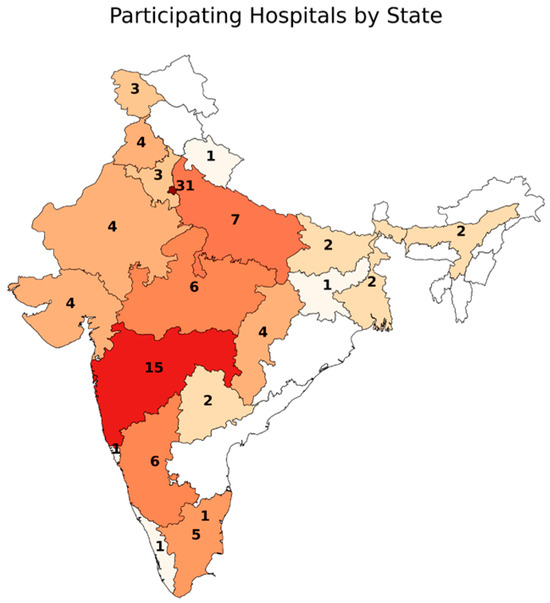
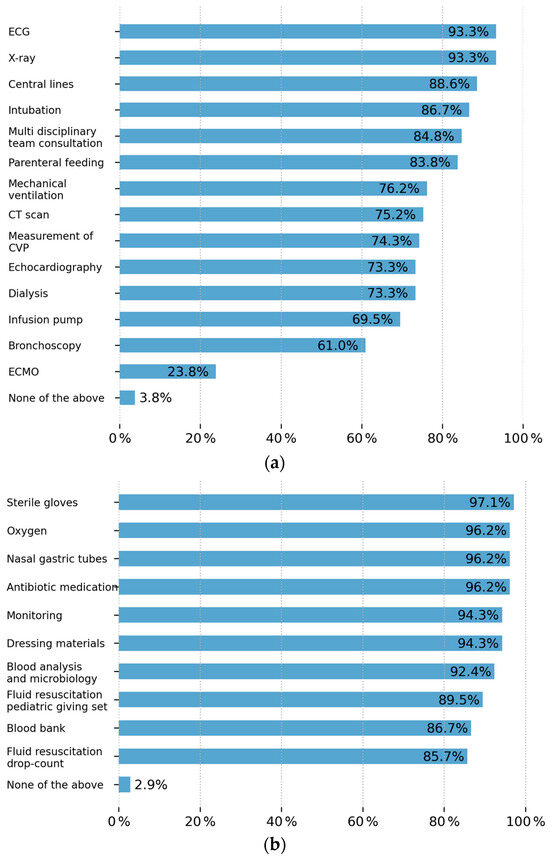
Background: Burns result in approximately 180,000 deaths annually, with the majority occurring in rural regions of Africa and Southeast Asia. This study aimed to assess the available resources, key challenges, and potential solutions in burn care from the perspective of healthcare providers in India. Methods: An online survey was conducted among burn care professionals across India. The survey was disseminated via social media platforms, burn care networks, and hospital representatives. Results: A total of 105 respondents, primarily from tertiary care centers, participated in the survey. Of these, 64.2% were affiliated with government hospitals, and 40.1% served catchment areas extending beyond 300 km. Dedicated burn units were present in 88.0% of government hospitals, compared to 66.9% in non-government facilities. Treatment costs were significantly lower in government hospitals, with 88.8% offering care either free of charge or at minimal cost (p ≤ 0.00001). Conclusions: The findings reveal significant gaps in staff training, intensive care monitoring, and infection prevention. Many patients initially seek help from traditional healers, often delaying appropriate treatment and worsening outcomes. Enhancing education, implementing standard monitoring practices, and ensuring adherence to clinical protocols are critical steps toward improving burn care outcomes in India.
Full article
(This article belongs to the Special Issue Global Perspectives on Burn Prevention, Management, Collaboration, and Disparities)
►▼
Show Figures

Figure 1
Open AccessArticle
Potential Prognostic Parameters from Patient Medical Files for Inhalation Injury Presence and/or Degree: A Single-Center Study
by
Tarryn Kay Prinsloo, Wayne George Kleintjes and Kareemah Najaar
Eur. Burn J. 2026, 7(1), 2; https://doi.org/10.3390/ebj7010002 - 22 Dec 2025
Abstract
►▼
Show Figures
(1) Background: Inhalation injury significantly worsens burn outcomes but lacks a standardized definition and diagnostic consensus, complicating prognosis. Existing diagnostic tools often show limited sensitivity and specificity, reducing clinical utility. This study aimed to identify potential clinical markers, recorded at or shortly after
[...] Read more.
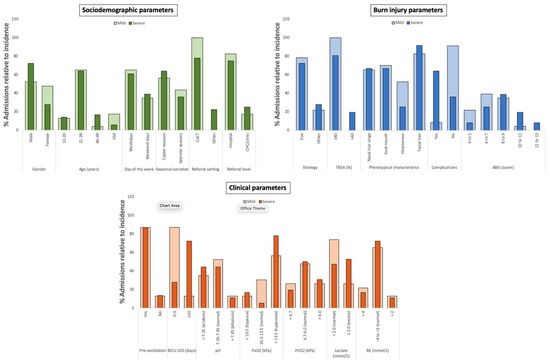
(1) Background: Inhalation injury significantly worsens burn outcomes but lacks a standardized definition and diagnostic consensus, complicating prognosis. Existing diagnostic tools often show limited sensitivity and specificity, reducing clinical utility. This study aimed to identify potential clinical markers, recorded at or shortly after admission, for inhalation injury prognostication. (2) Methods: A retrospective cohort study of 59 burn patients admitted to Tygerberg Hospital’s Burn Centre (South Africa) between 23 April 2016 and 15 August 2017 was conducted. Descriptive statistics were reported based on data type and distribution. Fisher’s exact test, Spearman’s rank correlation (rho), and partial least squares regression (VIP scores) assessed associations, correlations, and predictive value. p < 0.05 (two-tailed) denoted significance. (3) Results: Severe inhalation injury accounted for 61% of admissions (mean 11.2; CI = 9.5–12.9), with a 38.9% mortality rate. Significant associations (p ≤ 0.008) and positive correlations (p ≤ 0.06) were noted for total body surface area (rho = 0.357), complications (rho = 0.690), and burns intensive care unit length of stay (BICU LOS, rho = 0.908). Complications and BICU LOS showed the strongest predictive contributions (VIP = 1.229 and 1.372). Lactate (rho = 0.331, p < 0.011) and hoarseness (rho = −0.314, p < 0.015) correlated significantly but lacked association. (4) Conclusions: Findings suggest elevated lactate may serve as a prognostic marker, while BICU LOS and complications may reflect disease progression. A multi-marker approach is recommended.
Full article

Figure 1
Open AccessArticle
The Role of Angiopoietin-2 in Post-Burn Pneumonia
by
Mary Grace Murray, Ryan M. Johnson, Abigail B. Plum, Natalia Carbajal Garcia, Kevin E. Galicia, Alexandra Brady, Madison Kipp, Irene B. Helenowski, Madison M. Tschann, Connor Guzior, Richard P. Gonzalez, Mashkoor A. Choudhry and John C. Kubasiak
Eur. Burn J. 2026, 7(1), 1; https://doi.org/10.3390/ebj7010001 - 19 Dec 2025
Abstract
►▼
Show Figures
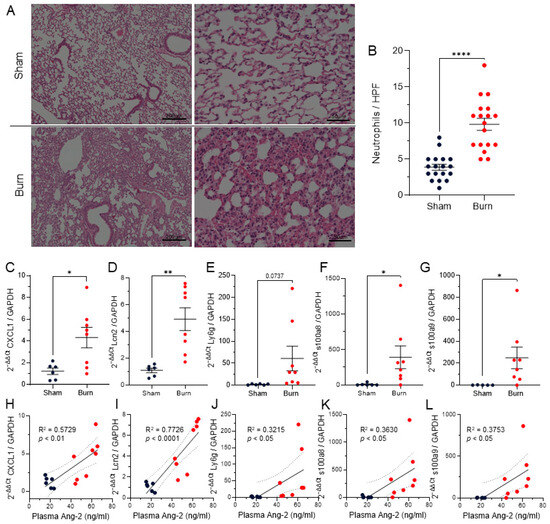
Background: Pneumonia contributes to post-burn morbidity and mortality. Understanding the mechanisms that predispose burn patients to pneumonia is crucial to both stratifying patients at increased risk and developing targeted interventions. Methods: A prospective observational study was conducted with 47 human patients who sustained
[...] Read more.
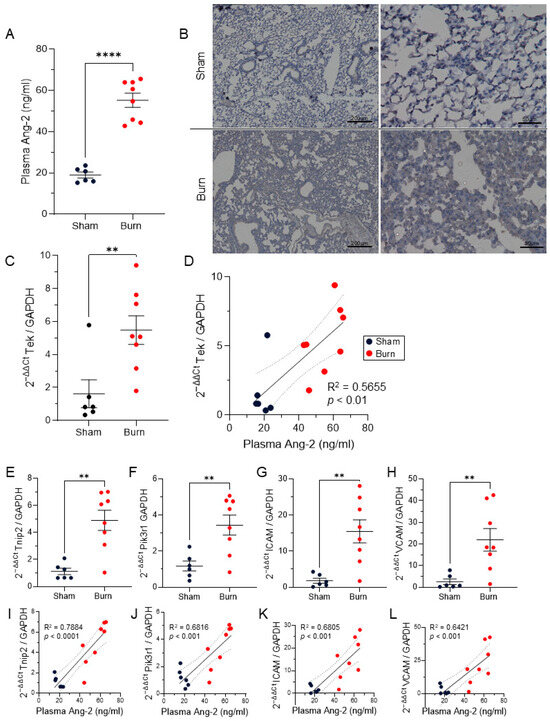
Background: Pneumonia contributes to post-burn morbidity and mortality. Understanding the mechanisms that predispose burn patients to pneumonia is crucial to both stratifying patients at increased risk and developing targeted interventions. Methods: A prospective observational study was conducted with 47 human patients who sustained large burn injuries with serum collected on days 2 and 3 post-burn and assessed for Angiopoietin-1 (Ang-1) and -2 (Ang-2). C57BL/6 mice were subjected to either sham injury or a 12.5% total body surface area (TBSA) scald burn injury, and plasma and lungs were assessed. Results: Patients who developed pneumonia within 30 days of injury had higher serum Ang-2 and Ang-2/1 ratio on post-injury days 2 and 3. Similar to patient findings, we observed an increase in Ang-2 in burn mice compared to sham. Within the lungs of burn mice, we found significant increases in Tyrosine kinase with immunoglobulin and epidermal growth factor homology domains 2 (TIE2) receptor transcript Tek, downstream mediators TNFAIP3 Interacting Protein 2 (Tnip2) and phosphoinositide-3-kinase regulatory subunit 1 (Pik3r1), in addition to endothelial adhesion molecules intracellular adhesion molecule-1 (ICAM-1) and vascular cell adhesion molecule-1 (VCAM-1), along with neutrophil infiltration and markers compared to sham. Conclusions: These findings suggest that burn injury increases Angiopoetin-2 and downstream signaling in the lungs, which may contribute to post-burn pulmonary dysfunction. Further studies are necessary to understand if modulating the Ang–TIE2 axis can protect against pneumonia post-burn.
Full article

Figure 1
Open AccessArticle
The Role of Previous History of Muscle Wasting in Burn Outcomes—A Burn Care Quality Platform Study
by
Elizabeth Blears, Jagger Godarzi, Sharon Shania, Krish Kondisetti, Julie Caffrey and Andrew J. Murton
Eur. Burn J. 2025, 6(4), 61; https://doi.org/10.3390/ebj6040061 - 3 Dec 2025
Abstract
►▼
Show Figures
Background: Burn patients can suffer prolonged hospital stays, infections, and wound breakdown. Given the complexity of burns, it is often difficult to determine which underlying factors contribute to complications. The Burn Care Quality Platform (BCQP) is the largest database of burn patients globally
[...] Read more.
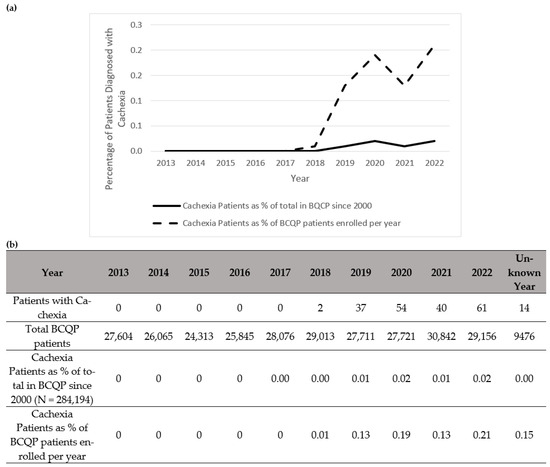
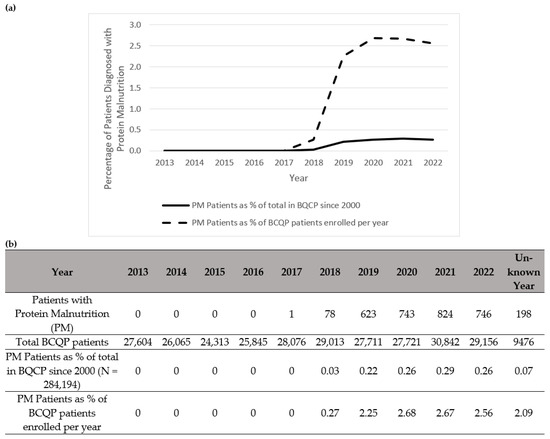
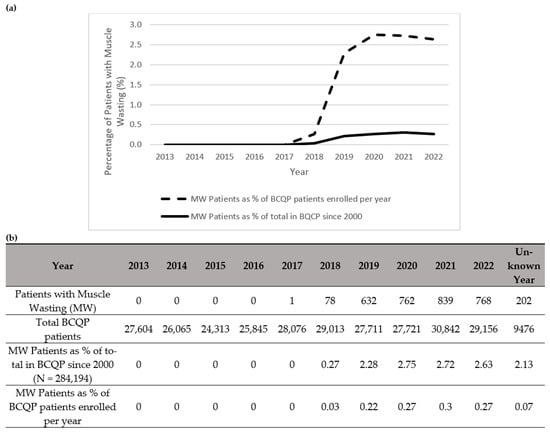
Background: Burn patients can suffer prolonged hospital stays, infections, and wound breakdown. Given the complexity of burns, it is often difficult to determine which underlying factors contribute to complications. The Burn Care Quality Platform (BCQP) is the largest database of burn patients globally available, and it accounts for underlying or coinciding disease conditions present in burn patients. Muscle wasting conditions, such as sarcopenia, cachexia, and protein malnutrition, are suspected of causing worse outcomes. Prior analysis of BCQP data (2000–2017) demonstrated that patients with muscle wasting had prolonged hospitalization and adverse outcomes. Methods: Building on our previous work, we extended logistic regression analysis to BCPQ data through 2022 to assess whether reporting and outcomes had changed. Results: Updated BCQP data demonstrated a statistically significant increase in mortality in cachexia vs. non-muscle wasting patients (Odds Ratio [OR]: 2.2 [95% Confidence Interval (CI): 1.3–3.7], p = 0.004), but no increase in mortality was seen with protein malnutrition (OR: 1.1 [95% CI: 0.93–1.35], p = 0.239). However, the diagnosis rate of muscle wasting conditions decreased by 53% since the previous analysis, suggesting a potential under-reporting of these diagnoses in BCQP patients. Conclusions: Burn care could be augmented by better diagnosis of underlying conditions that predispose to muscle wasting.
Full article

Figure 1
Open AccessSystematic Review
Exergames in the Rehabilitation of Burn Patients: A Systematic Review of Randomized Controlled Trials
by
Inês Santos, Marta Ferreira and Carla Sílvia Fernandes
Eur. Burn J. 2025, 6(4), 60; https://doi.org/10.3390/ebj6040060 - 27 Nov 2025
Abstract
The rehabilitation of burn patients is essential and is intrinsically linked to conventional rehabilitation; the motivational challenges faced by burn patients in maintaining engagement with these rehabilitation programs are well known. It is understood that the use of other resources, particularly technological ones,
[...] Read more.
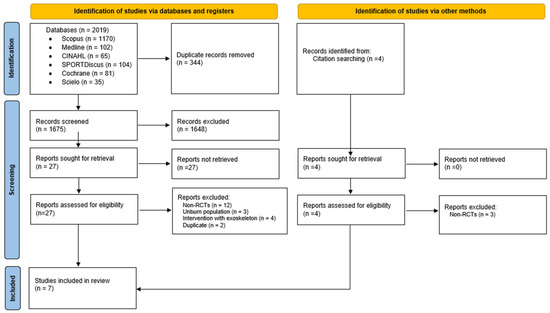
The rehabilitation of burn patients is essential and is intrinsically linked to conventional rehabilitation; the motivational challenges faced by burn patients in maintaining engagement with these rehabilitation programs are well known. It is understood that the use of other resources, particularly technological ones, associated with conventional rehabilitation could overcome these constraints and thereby optimize the rehabilitation program and health outcomes. The objective of this study is to synthesize the available evidence on the use of exergames in rehabilitation programs for burn patients. This systematic review was developed following the guidelines of the Joanna Briggs Institute (JBI). The search was conducted in the following databases: Medline®, CINAHL®, Sports Discus®, Cochrane®, and Scopus® during May 2025. The PRISMA Checklist Model was used to organize the information from the selected studies. Seven RCTs were included, involving a total of 236 participants. Outcomes related to the use of exergames in the rehabilitation of burn patients were identified, including increased range of motion, functionality, strength, speed of movement, improved balance, reduced fear and pain, and satisfaction with the technological resource used. It is believed that the results of this review, which confirmed the advantage of using exergames, such as Nintendo Wii, PlayStation, Xbox Kinect, or Wii Fit, to optimize the functionality of burn patients, can support clinical decision-making and encourage the integration of exergames to improve rehabilitation programs for burn patients.
Full article
(This article belongs to the Special Issue Enhancing Burn Rehabilitation: Contemporary Improvements across the Spectrum of Influence)
►▼
Show Figures

Figure 1
Open AccessReview
Evidence-Based Management of Burns: A Narrative Review of Evolving Practices
by
Anna Jolly Neriamparambil, Raja Sawhney and Wei Lun Wong
Eur. Burn J. 2025, 6(4), 59; https://doi.org/10.3390/ebj6040059 - 10 Nov 2025
Cited by 1
Abstract
Background: The last decade has seen transformative changes in burn care, driven by advances in pharmacology, regenerative medicine, surgical techniques, and digital technologies. As management strategies evolve beyond survival to encompass functional and esthetic recovery, this review consolidates current evidence to inform best
[...] Read more.
Background: The last decade has seen transformative changes in burn care, driven by advances in pharmacology, regenerative medicine, surgical techniques, and digital technologies. As management strategies evolve beyond survival to encompass functional and esthetic recovery, this review consolidates current evidence to inform best practice. Methods: A comprehensive narrative review was conducted using PubMed to identify peer-reviewed English-language articles from the past 10 years relevant to acute and long-term burn management. Selection focused on high-level evidence, including randomized controlled trials, systematic reviews, and meta-analyses, emphasizing novel and evolving clinical interventions. Results: Key advances include the integration of propranolol and oxandrolone for metabolic modulation; enzymatic debridement agents such as NexoBrid®; regenerative approaches like epidermal cell sprays (e.g., RECELL®) and dermal substitutes (e.g., Integra®, MatriDerm®, NovoSorb® BTM); and innovations in scar modulation, notably fractional CO2 laser therapy. The emergence of 3D bioprinting, and artificial intelligence further supports a shift toward precision burn medicine. Conclusions: Burn management is evolving from protocol-driven to patient-centred care, underpinned by high-quality evidence and technological innovation. The integration of systemic, local, and rehabilitative strategies is improving outcomes in survival, function, and quality of life. Ongoing challenges include cost, access, and translation of novel therapies into widespread clinical practice.
Full article
(This article belongs to the Special Issue Innovative Applications and Challenges of Emerging Materials and Technologies in Burn Treatment)
►▼
Show Figures

Figure 1
Open AccessArticle
Nexobrid Use in the Elderly
by
Alexander Lugilde Guerbek, Jordi Serracanta Domenech, Antonio Bulla, José Antonio López Martínez, Danilo Rivas Nicolls, Alex Arteaga, Alejandro Grabosky Elbaile, Sara Orois and J. P. Barret
Eur. Burn J. 2025, 6(4), 58; https://doi.org/10.3390/ebj6040058 - 7 Nov 2025
Abstract
Background: Enzymatic debridement with Nexobrid (NXB) is established for burn care, but specific outcomes in the elderly remain poorly characterized. This study evaluates the safety, efficacy, and clinical outcomes of NXB in patients aged ≥65 years. Methods: A retrospective case-series of 43 consecutive
[...] Read more.
Background: Enzymatic debridement with Nexobrid (NXB) is established for burn care, but specific outcomes in the elderly remain poorly characterized. This study evaluates the safety, efficacy, and clinical outcomes of NXB in patients aged ≥65 years. Methods: A retrospective case-series of 43 consecutive elderly patients (mean age 74.5 years) with deep partial- to full-thickness burns treated with NXB at a single burn center. Data on demographics, burn characteristics, treatment chronology, and complications were analyzed. Results: The median total burn surface area (TBSA) was 11%. NXB was applied selectively, with a mean debrided area of 7.41% TBSA, primarily on limbs and hands. While 76.7% of patients ultimately required surgical autografting, no patient required an escharotomy in NXB-treated areas. The mortality rate was 25.6%, which was lower than expected for a median revised Baux score of 90, which is expected to be more than 50%. Hypertrophic scarring occurred in 28.1% of survivors, associated with a prolonged median healing time of 63 days. Conclusions: In elderly burn patients, NXB facilitates precise eschar removal and reliably prevents compartment syndrome, demonstrating a strong safety profile even in high-risk individuals. Its primary benefit shifts from reducing surgical incidence to optimizing the wound bed for grafting. These findings support the use of NXB in the elderly, with the understanding that subsequent grafting is often still required due to age-related delayed healing.
Full article
(This article belongs to the Special Issue Innovative Applications and Challenges of Emerging Materials and Technologies in Burn Treatment)
►▼
Show Figures

Figure 1
Open AccessReview
Comparative Analysis of Recent Burn Guidelines Regarding Specific Aspects of Anesthesia and Intensive Care
by
Rolf K. Gigengack, Joeri Slob, J. Seppe H. A. Koopman, Cornelis H. Van der Vlies and Stephan A. Loer
Eur. Burn J. 2025, 6(4), 57; https://doi.org/10.3390/ebj6040057 - 29 Oct 2025
Abstract
Background: Critical care for patients with severe burn injuries is challenging, particularly in the first 24–48 h. Multiple guidelines exist but their recommendations vary in content and in the level of detail. Methods: This narrative review analyzed recent (last 10 years) adult burn
[...] Read more.
Background: Critical care for patients with severe burn injuries is challenging, particularly in the first 24–48 h. Multiple guidelines exist but their recommendations vary in content and in the level of detail. Methods: This narrative review analyzed recent (last 10 years) adult burn guidelines in English, Dutch and German, sourced from PubMed, Medline and official burn society publications. The review focused on airway management, mechanical ventilation, fluid resuscitation, pain management and procedural sedation. Results: All guidelines emphasize early airway assessment and timely intubation in patients at risk for loss of airway patency; however, a strategy for analyzing patients at risk is lacking. Lung-protective ventilation strategy is generally recommended. Fluid resuscitation is the cornerstone during the first phase, though recommendations for thresholds, volume and adjuncts differ. (Chronic) pain management should be multimodal, combining pharmacologic and non-pharmacologic approaches, but specifics on choice of modality are limited, also, there is no uniform strategy for procedural sedation management. Conclusion: Current guidelines offer broadly consistent recommendations for initial burn care but differ in specifics, reflecting evidence gaps. Future guidelines should address advances in airway management, fluid resuscitation endpoints, volume and adjuncts, and give a more detailed (chronic) pain strategy to improve standardization and outcomes.
Full article
Open AccessCase Report
Expanding the Limits of Burn Care: Survival After a 92% Total Body Surface Area Burn
by
Rafael Rocha, Odete Martinho, Filipe Marques da Costa, Gaizka Ribeiro, Fátima Xambre and Miguel Ribeiro de Andrade
Eur. Burn J. 2025, 6(4), 56; https://doi.org/10.3390/ebj6040056 - 20 Oct 2025
Abstract
Introduction: Massive burns, particularly those exceeding 90% total body surface area (TBSA), represent one of the most demanding challenges in critical care and reconstructive surgery. Advances in resuscitation, early excision, and wound coverage techniques have improved survival rates, but despite these advances,
[...] Read more.
Introduction: Massive burns, particularly those exceeding 90% total body surface area (TBSA), represent one of the most demanding challenges in critical care and reconstructive surgery. Advances in resuscitation, early excision, and wound coverage techniques have improved survival rates, but despite these advances, mortality remains high, and standardized treatment protocols are lacking. Case Report: We report a case which demonstrates survival and meaningful recovery in an extreme case of massive burns. A 57-year-old woman sustained 92% TBSA burns following a gas explosion at her home. She developed burn shock requiring aggressive fluid resuscitation and vasopressor support. Due to extensive burns and limited donor sites, staged debridement with temporary allograft coverage was performed, followed by Meek micrografting for definitive wound closure. After 197 days in the Burn Unit and an additional three months of rehabilitation, she regained functional independence. Conclusions: While historically considered non-survivable, burns exceeding 90% TBSA are increasingly being successfully treated with multimodal strategies. This case highlights the importance of multidisciplinary care in redefining survival expectations for massive burn patients. As burn care continues to evolve, further research is needed to refine treatment strategies, enhance long-term functional outcomes and standardize protocols for these complex cases.
Full article
(This article belongs to the Special Issue Controversial Issues in Intensive Care-Related Burn Injuries)
►▼
Show Figures

Figure 1
Open AccessArticle
A Prospective Observational Study to Determine the Efficacy of a Theatre Prioritisation Tool in Optimal Utilisation of Limited Theatre Time for Deep Burn Injury in a Resource-Restricted Setting
by
Nikki Leigh Allorto, Reitze Rodseth and David Gray Bishop
Eur. Burn J. 2025, 6(4), 55; https://doi.org/10.3390/ebj6040055 - 17 Oct 2025
Abstract
Background: Routine early surgery for all deep burns in low-resource settings is not currently achievable. We designed and implemented a simple triage strategy that selected patients to be prioritised for early surgery based on a more urgent need and greater potential benefit. The
[...] Read more.
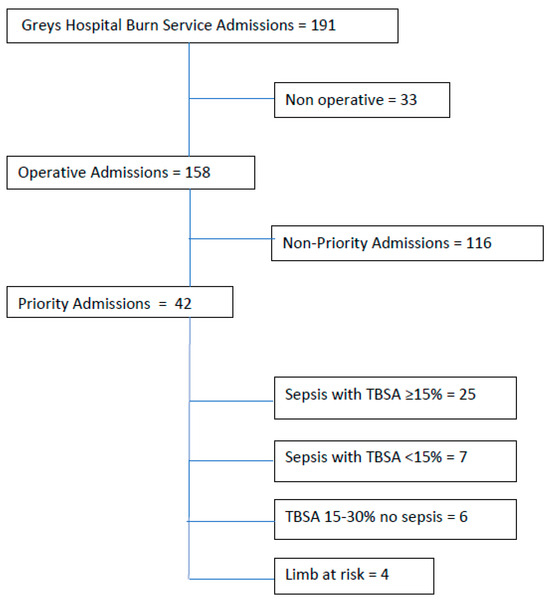
Background: Routine early surgery for all deep burns in low-resource settings is not currently achievable. We designed and implemented a simple triage strategy that selected patients to be prioritised for early surgery based on a more urgent need and greater potential benefit. The primary outcome was the ability to perform surgery in the priority group within three days of the decision. Methods: This was a prospective, descriptive study undertaken at a tertiary hospital in Pietermaritzburg, South Africa. All patients referred to the Grey’s Hospital Burn Service were triaged into either priority or non-priority groups. Priority designation was based on total burn surface area (TBSA) > 15%, the presence of sepsis, or limb-threatening injury. Data related to demographic information, injury, and outcomes were collected and managed using REDCap electronic data capture tools. Results: There were 191 admissions with 42 (22%) meeting priority criteria. The priority group had larger burns (TBSA 25 [Interquartile range 15–30] vs. 8 [3–15]%) and included all septic injuries. We provided early surgery within a median of 1.4 (interquartile range 0.5–3.3) days of the decision for surgery being made. A total of 75% of patients were operated within 72 h of the decision, and 43% within 10 days of injury. The system identified a sicker cohort, as evidenced by high mortality, ICU admission, and acute kidney injury rates. In the non-priority group, reported outcomes were more positive, but with a high injury-to-discharge days per percentage TBSA. Conclusions: This simple triage strategy represents a novel approach for prioritising access to burn surgery in a setting where global surgery standards are desirable but not always possible. We were able to identify the high-risk groups and provide surgery within acceptable time frames. Future research should be aimed at refining this triage system and improving outcomes in the priority group.
Full article
(This article belongs to the Special Issue Global Perspectives on Burn Prevention, Management, Collaboration, and Disparities)
►▼
Show Figures

Figure 1
Open AccessArticle
Assessment of Attenuation Coefficient and Blood Flow at Depth in Pediatric Thermal Hand Injuries Using Optical Coherence Tomography: A Clinical Study
by
Beke Sophie Larsen, Tina Straube, Kathrin Kelly, Robert Huber, Madita Göb, Julia Siebert, Lutz Wünsch and Judith Lindert
Eur. Burn J. 2025, 6(4), 54; https://doi.org/10.3390/ebj6040054 - 1 Oct 2025
Abstract
Background: Optical Coherence Tomography (OCT) is a high-resolution imaging technique capable of quantifying Blood Flow at Depth (BD) and the Attenuation Coefficient (AC). However, the clinical relevance of these parameters in burn assessment remains unclear. This study investigated whether OCT-derived metrics can differentiate
[...] Read more.
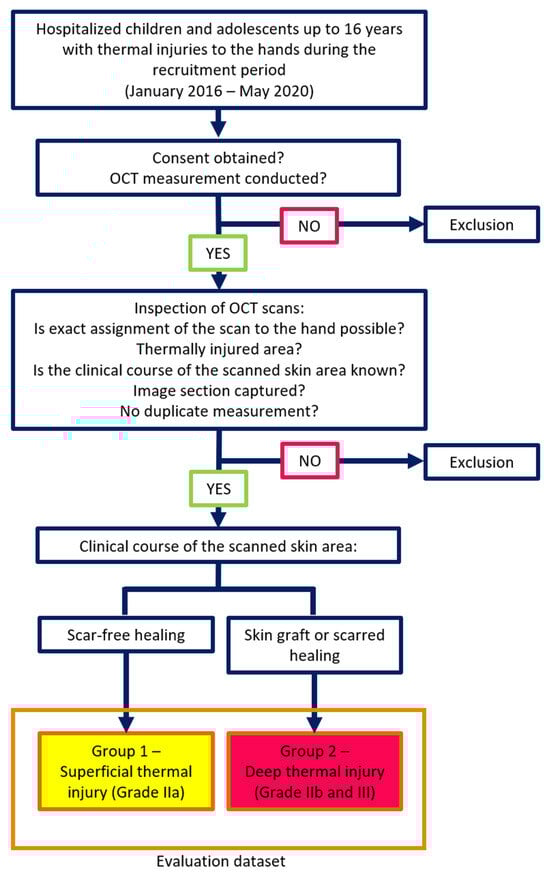
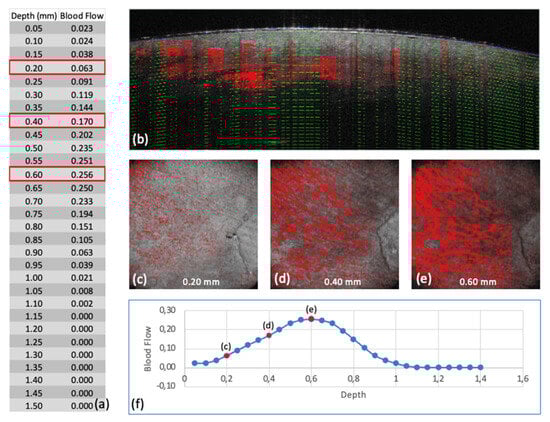
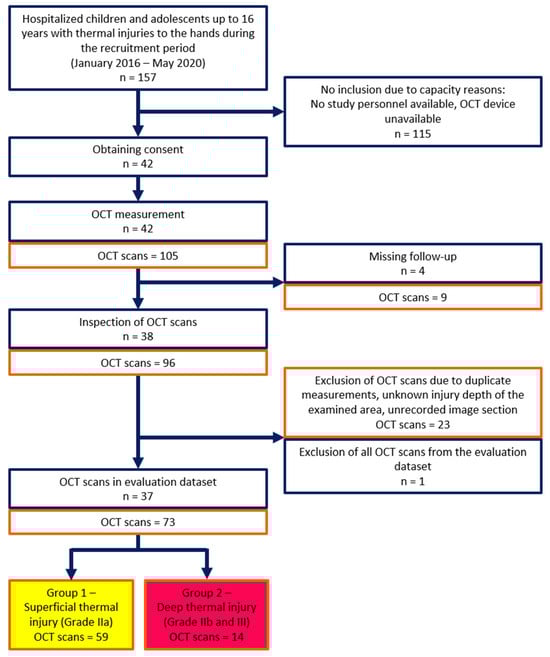
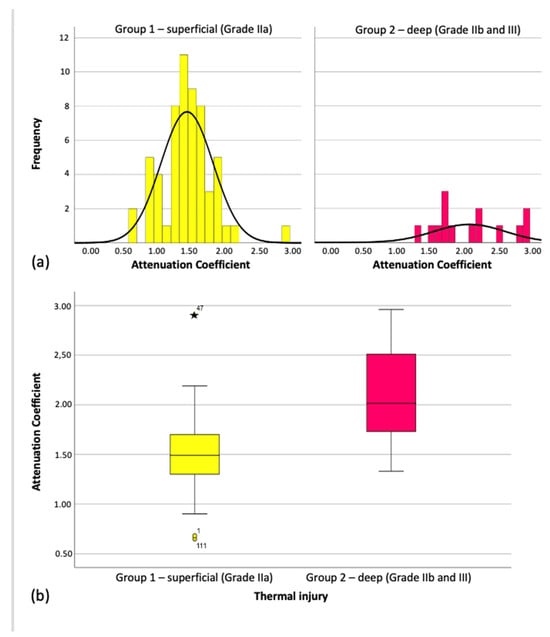
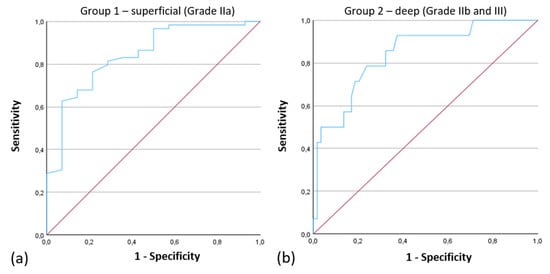
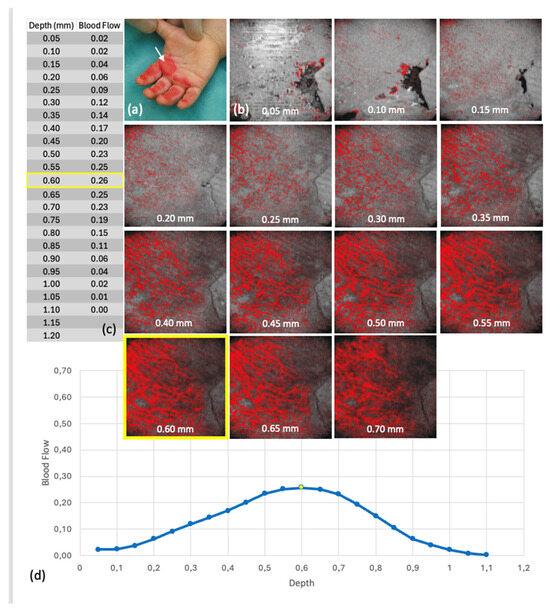
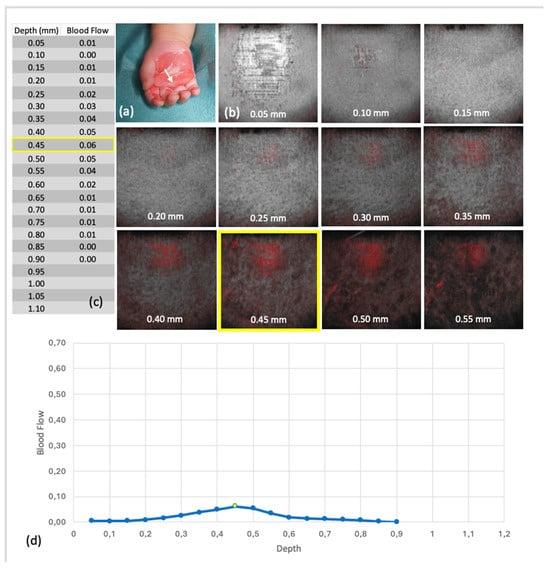
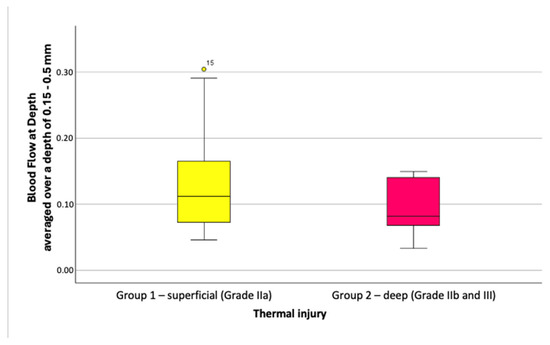
Background: Optical Coherence Tomography (OCT) is a high-resolution imaging technique capable of quantifying Blood Flow at Depth (BD) and the Attenuation Coefficient (AC). However, the clinical relevance of these parameters in burn assessment remains unclear. This study investigated whether OCT-derived metrics can differentiate between superficial and deep pediatric hand burns. Method: This prospective, single-center study analyzed 73 OCT scans from 37 children with thermal hand injuries. A structured algorithm was used to evaluate AC and BD. Results: The mean AC was 1.61 mm−1 (SD ± 0.48), with significantly higher values in deep burns (2.11 mm−1 ± 0.53) compared to superficial burns (1.49 mm−1 ± 0.38; p < 0.001), reflecting increased optical density in more severe burns. BD did not differ significantly between burn depths, although superficial burns more often showed visible capillary networks. Conclusions: This is the first study to assess both AC and BD using OCT in pediatric hand burns. AC demonstrated potential as a diagnostic marker for burn depth, whereas BD had limited utility. Image quality limitations highlight the need for technical improvements to enhance OCT’s clinical application.
Full article
(This article belongs to the Special Issue Innovative Applications and Challenges of Emerging Materials and Technologies in Burn Treatment)
►▼
Show Figures

Figure 1
Open AccessReview
Managing Infections in Burn Patients: Strategies and Considerations for Antimicrobial Dosing
by
Abdullah F. Alharthi, Khalid Al Sulaiman, Sultan Alotaibi, Rahaf Alqahtani, Nader Damfu, Aisha Alharbi, Sufyan Alomair, Haifa A. Alhaidal and Ohoud Aljuhani
Eur. Burn J. 2025, 6(4), 53; https://doi.org/10.3390/ebj6040053 - 1 Oct 2025
Cited by 1
Abstract
►▼
Show Figures
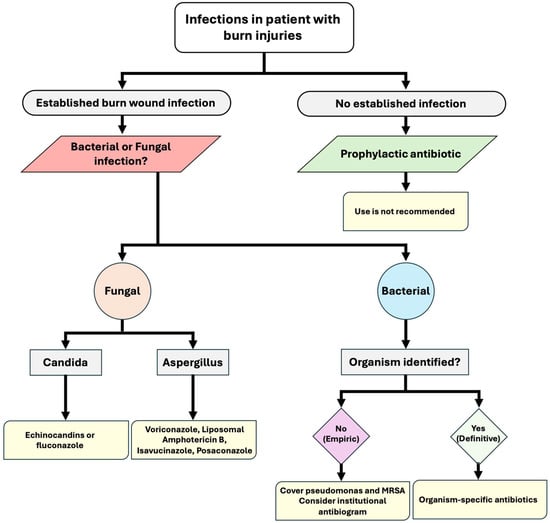
Burn injuries are a major cause of morbidity and mortality, largely due to complications such as infection. Impairment of the immune system following burns increases susceptibility to both internal and external infections, underscoring the need for effective infection control strategies in burn care.
[...] Read more.
Burn injuries are a major cause of morbidity and mortality, largely due to complications such as infection. Impairment of the immune system following burns increases susceptibility to both internal and external infections, underscoring the need for effective infection control strategies in burn care. In addition, burn patients frequently exhibit profound alterations in drug pharmacokinetics and pharmacodynamics (PK/PD), particularly during the resuscitation and hypermetabolic phases. In the resuscitation phase, increased capillary permeability and reduced cardiac output can prolong drug distribution, delay therapeutic response, lower peak plasma concentrations, and slow elimination. In contrast, the hypermetabolic phase is characterized by elevated catecholamine levels and enhanced tissue perfusion, which accelerate drug distribution and clearance. These physiological changes often necessitate antimicrobial dose adjustments to maintain therapeutic efficacy. This review emphasizes the critical importance of infection prevention and management in burn patients, with a focus on optimizing antimicrobial dosing and therapeutic monitoring in the context of PK/PD alterations.
Full article

Figure 1
Open AccessSystematic Review
Effectiveness and Safety of Topically Applied Tranexamic Acid with Epinephrine in Surgical Procedures: A Systematic Review
by
Hedieh Keshavarz, Weber Wei Chiang Lin, Shawn Dodd, Janice Y. Kung and Joshua N. Wong
Eur. Burn J. 2025, 6(3), 52; https://doi.org/10.3390/ebj6030052 - 22 Sep 2025
Cited by 1
Abstract
►▼
Show Figures
Background: Topical tranexamic acid (TXA), often combined with epinephrine, is used to reduce perioperative bleeding. This systematic review evaluates the safety and effectiveness of this combination across surgical procedures. Methods: A comprehensive search of eight databases was conducted from inception to 26 June
[...] Read more.
Background: Topical tranexamic acid (TXA), often combined with epinephrine, is used to reduce perioperative bleeding. This systematic review evaluates the safety and effectiveness of this combination across surgical procedures. Methods: A comprehensive search of eight databases was conducted from inception to 26 June 2025. Studies were eligible if they compared topically or locally applied TXA with epinephrine to epinephrine alone in surgical patients. Animal studies, case reports, non-English publications, and studies without comparators were excluded. Screening, data extraction, and risk of bias assessments followed PRISMA guidelines. Results: Ten studies met inclusion criteria (four randomized and six non-randomized), covering burn surgery, rhytidectomy, liposuction, septoplasty, endoscopic sinus surgery, dacryocystorhinostomy, and joint arthroplasty. TXA was applied topically or via tumescent infiltration. Most studies reported reduced intraoperative blood loss, improved surgical field visibility, lower drain output, shorter hemostasis time, and reduced transfusion rates. No increase in thromboembolic or major complications was observed. Conclusion: The combination of TXA and epinephrine appears safe and maybe effective for perioperative bleeding control. However, heterogeneity in dosing and outcomes limits generalizability. Further research is needed to standardize protocols and confirm long-term safety.
Full article

Figure 1
Open AccessArticle
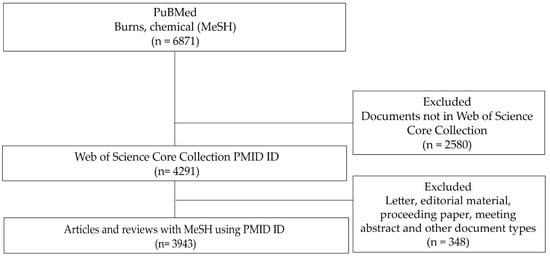
Scientific Production on Chemical Burns: A Bibliometric Analysis (1946–2024)
by
José-Enrique Cueva-Ramírez, Gregorio Gonzalez-Alcaide, Isabel Belinchón-Romero and Jose-Manuel Ramos-Rincon
Eur. Burn J. 2025, 6(3), 51; https://doi.org/10.3390/ebj6030051 - 9 Sep 2025
Abstract
►▼
Show Figures
Background: Chemical burns represent a persistent global health challenge due to their high prevalence, causing lifelong disabilities and socioeconomic burdens. Although research on chemical burns has expanded over the past century, no comprehensive study has mapped the intellectual structure, global collaboration patterns, and
[...] Read more.
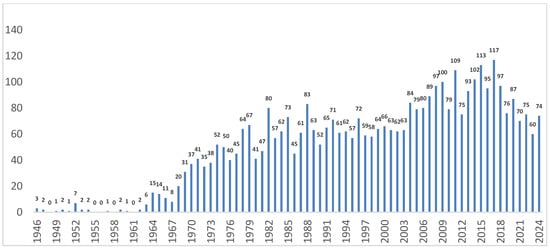
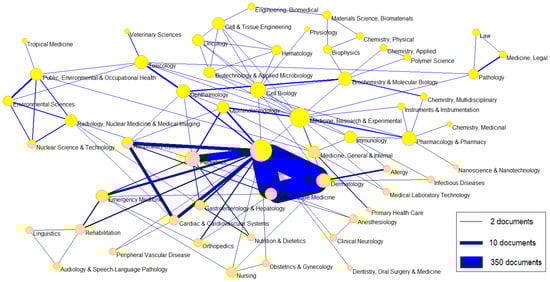
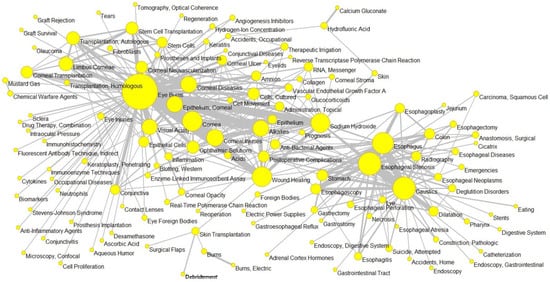
Background: Chemical burns represent a persistent global health challenge due to their high prevalence, causing lifelong disabilities and socioeconomic burdens. Although research on chemical burns has expanded over the past century, no comprehensive study has mapped the intellectual structure, global collaboration patterns, and thematic evolution of scientific production on chemical burns to determine how research in the area has evolved and the existence of gaps or imbalances that need to be addressed. Objective: The aim was to analyze the scientific production on chemical burns using bibliometric methods, identifying key contributors, evolving themes, and research gaps. Methods: Eligible documents contained the MeSH descriptor and were listed both in PubMed (1946 to 2024) and in the Web of Science Core Collection. The documents were analyzed with Bibliometrix version 5.0 and VOSviewer version 1.6.20. The metrics included were annual productivity, citation networks, co-authorship patterns, and keyword co-occurrence. Results: The analysis included 3943 articles from 757 journals. The annual average was 25.8 articles, with a growth rate of 0.65% from 1946 to 2024. The USA produced the most articles (n = 1547), followed by China (n = 890). The USA also led in international collaboration, working with 26 countries. Harvard University was the leading institution (n = 325) and Burns the leading journal (n = 306), followed by Cornea (n = 132). The most common subject category of the research was surgery (n = 1185 docs) and ophthalmology (n = 984). Reim M. was the most prolific author (n = 35), while Basu S. had the most citations (n = 1159). The main clinical MeSH descriptors were “Eye burns” (n = 1158), “Esophageal stenosis” (n = 683), and “Caustics” (n = 659). Conclusions: The results show slight growth in scientific production on chemical burns. The USA and China are leading research in this field, and the main reported finding was eye burns.
Full article

Figure 1
Highly Accessed Articles
Latest Books
E-Mail Alert
News
Topics
Special Issues
Special Issue in
EBJ
2nd Edition of Enhancing Psychosocial Burn Care
Guest Editors: Anna Pittermann, Koen MaertensDeadline: 31 October 2026